

Independent Foundation & Crawlspace Inspections
No repair upsells. Written repair scope and fair price range included.
SERVING ALL OF WESTERN OREGON
Independent. Unbiased. No Upsells.
Picking the right foundation inspector can be hard. Most people get an inspection from the company that wants to sell them the repair. I do it differently. I’m independent, and I don’t sell or install repairs. Every foundation has a story, and I use professional tools and hands-on foundation experience to give you a thorough, in-depth report on your home’s true condition, with a written repair scope and a fair price range. That way you can choose a trustworthy contractor with confidence. Schedule an inspection today.
WHAT WE INSPECT
-
Common Signs of Foundation Trouble
Look out for these red flags:
Nail Pops: Cracks from foundation settlement pushing nails through drywall.
Wall/Floor Gaps: Uneven settling creates gaps as floors lift.
Uneven Floors: Differential settlement or weak joists cause sloping.
Drywall Cracks: Cracks near doors/windows from uneven weight distribution.
Flood Damage: Water erodes soil, leading to sinking or shifting.
Cracked Chimney: Separate foundation settling causes cracks or leaning.
Sinking Foundation: Lack of support leads to downward movement.
Stuck Doors/Windows: Frames warp or sink, making them hard to open.
Basement Cracks: Vertical or horizontal cracks from soil pressure or water.
Bowed Basement Walls: Walls bending inward signal serious structural issues.
Cracked Bricks/Blocks: Stair-step cracks from uneven settling.
Why These Issues Happen
Foundation problems often stem from:
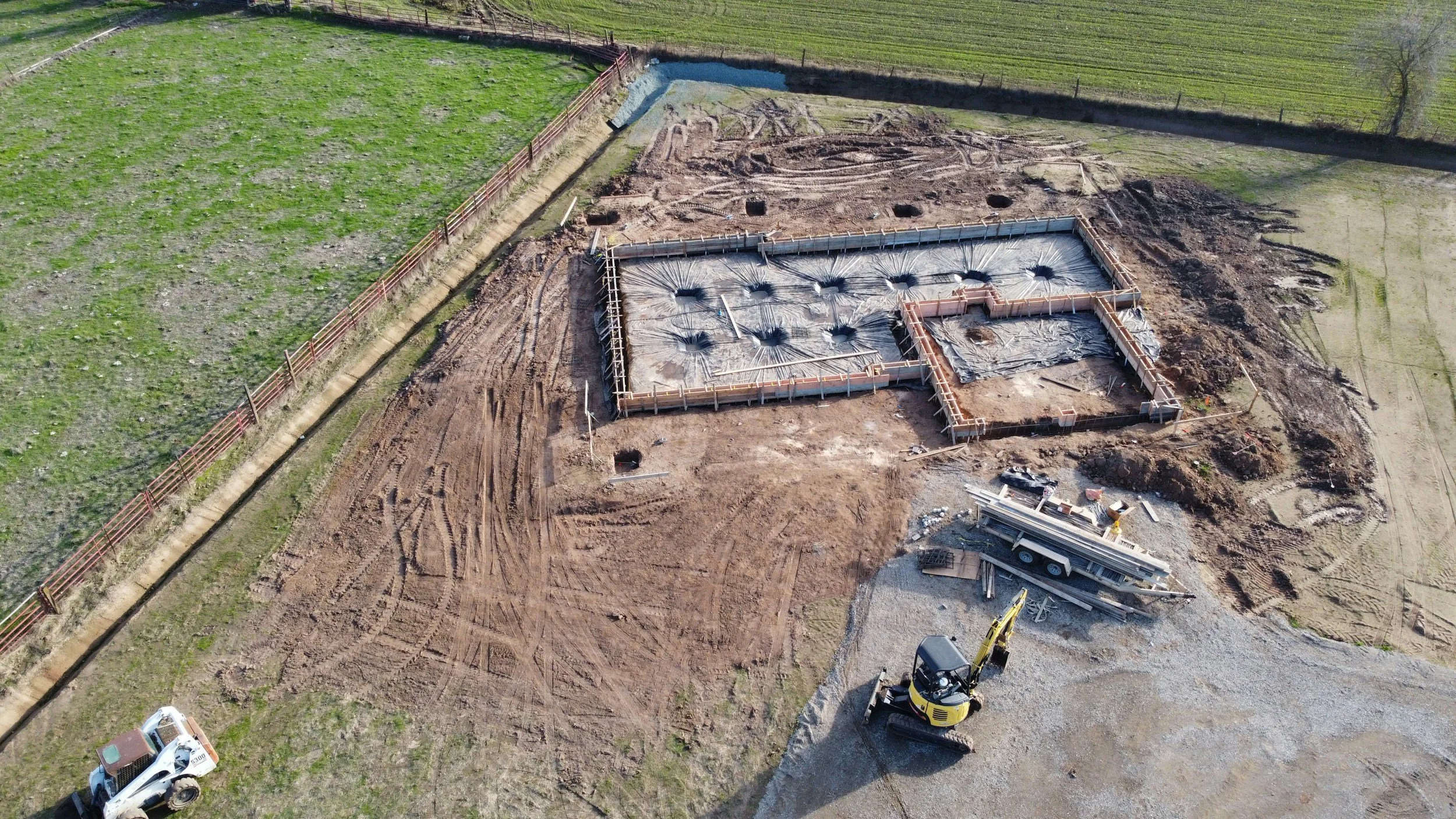
Poor Soil Prep: Sets up foundation failure.
Under Built Foundations: Often older homes have severely underbuilt foundations.
Expansive/Consolidating Soil: Clay soils swell and shrink, stressing the foundation.
Evaporation: Shrinks soil, reducing support.
Flooding: Expands soil, adding pressure.
Large Trees: Roots disrupt soil and concrete.
-
Common Crawl Space and Basement Issues
Look for these red flags:
Musty Odors: Excess moisture causes mold or mildew growth.
Standing Water: Poor drainage leads to pooling in crawl spaces or basements.
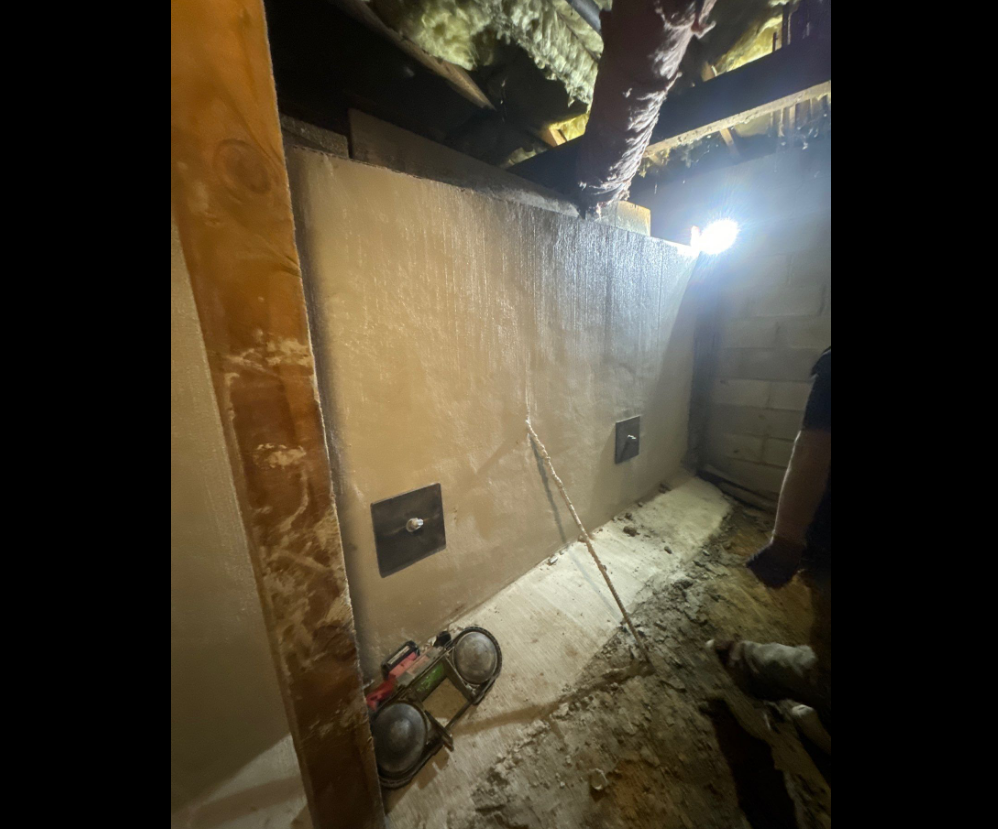
Bowed Walls: Soil pressure bends basement walls inward.
Vertical Cracks: Shifting soil creates pressure, cracking basement walls.
Horizontal Cracks: Water and soil press against walls, indicating severe issues.
Sagging Floors: Weak crawl space supports or moisture damage cause floors to dip.
High Humidity: Poor ventilation leads to dampness and wood rot.
Cracked Concrete: Water seepage or settling cracks basement floors.
Mold Growth: Persistent moisture fosters mold, affecting air quality.
Pest Infestations: Damp crawl spaces attract rodents or insects.
Efflorescence: White, chalky deposits on walls signal water seepage.
Why These Problems Occur
Crawl space and basement issues often stem from:
Poor Soil Conditions: Expansive clay soils swell with water, then shrink when dry, stressing walls and floors.
Improperly Prepped Fill Dirt: Uncompacted or poorly graded fill dirt settles unevenly, causing cracks and sinking.
Water Infiltration: Heavy rain or high groundwater seeps in, eroding soil and increasing hydrostatic pressure on walls.
Poor Drainage: Water accumulates without proper grading or systems.
-
Common Signs of Seismic-Related Structural Issues
Things to look out for:
Cracked Foundation: Diagonal or stair-step cracks in foundation walls from ground shaking.
Misaligned Doors/Windows: Frames shift, causing doors or windows to stick or not close properly.
Wall Cracks: Jagged or diagonal drywall cracks, especially near corners or openings, from seismic stress.
Leaning Chimney: Chimney tilting or separating from the house due to ground movement.
Displaced Roof Tiles: Shingles or tiles shifted or cracked from seismic vibrations.
Bowed Walls: Basement or retaining walls buckling inward from lateral earth pressure.
Cracked Exterior Masonry: Brick or block walls showing stair-step or horizontal cracks.
Uneven Floors: Sloping or sagging floors from foundation shifts during quakes.
Separated Porches/Decks: Gaps between house and attached structures from differential movement.
Damaged Utilities: Cracked or leaking gas, water, or sewer lines from seismic jolts.
Why These Issues Happen
Ground Shaking: Vibrations from earthquakes stress and crack structural components.
Soil Liquefaction: Saturated soils lose strength during quakes, causing foundation settlement.
Fault Movement: Nearby fault shifts directly displace or crack foundations.
Inadequate Reinforcement: Older homes lack seismic retrofitting, like anchor bolts or bracing.
Unstable Slopes: Earthquakes trigger landslides or soil shifts, undermining foundations.
Poor Construction: Weak materials or substandard building practices fail under seismic loads.
-
Common Retaining Wall Issues
Spot these warning signs:
Cracks in Walls: Soil pressure causes vertical or stair-step cracks.
Leaning or Bulging: Walls tilt outward from excessive soil force.
Water Seepage: Poor drainage leads to water pooling or erosion behind the wall.
Soil Erosion: Runoff washes away soil, destabilizing the wall.
Cracked Blocks: Uneven settling creates stress, cracking blocks.
Why These Problems Occur
Retaining wall issues often result from:
Poor Soil Conditions: Expansive clay soils swell with water, then shrink when dry, pushing against walls.
Improperly Prepped Fill Dirt: Uncompacted or poorly graded fill dirt settles unevenly, causing instability.
Water Infiltration: Heavy rain or high groundwater seeps in, increasing pressure on walls.
Poor Drainage: Lack of proper drainage systems allows water to build up, eroding soil.
Inadequate Design: Walls not built to handle soil load or height lead to failure.
-
Common Signs of Basement/Crawl Space Water Issues
Look out for these red flags:
Musty Odors: Persistent damp smells indicate mold or mildew growth.
Water Stains: Discoloration on walls or floors from water seepage.
Efflorescence: White, powdery mineral deposits on walls from water evaporation.
Puddles or Standing Water: Visible water pooling in basement or crawl space.
Mold/Mildew Growth: Black, green, or fuzzy patches from prolonged moisture.
Cracked Foundation Walls: Horizontal or vertical cracks allowing water entry.
Peeling Paint/Wallpaper: Moisture behind walls causes bubbling or flaking.
Rusty Appliances/Tools: Corrosion on metal items from high humidity.
Sagging Floors: Water-weakened joists or beams cause unevenness.
Wet Insulation: Soggy or discolored insulation from water exposure.
High Humidity: Sticky air or condensation on pipes/windows in basement.
Why These Issues Happen
Basement and crawl space water problems often stem from:
Poor Drainage: Improperly sloped soil or clogged gutters direct water toward foundation.
Cracked Foundation: Gaps allow water to seep into basement or crawl space.
High Groundwater: Rising water table overwhelms drainage systems.
Leaking Pipes: Plumbing failures add water to enclosed spaces.
Inadequate Waterproofing: Missing or failed sealants allow water penetration.
Poor Ventilation: Trapped moisture in crawl spaces promotes mold and rot.
Heavy Rain/Flooding: Overwhelmed drainage systems lead to water intrusion.
Improper Grading: Ground sloping toward the house funnels water to foundation.
HOW IT WORKS
-
Before your appointment, I’ll call to confirm the time, hear what you’ve noticed, and prepare so I arrive ready for your home.
-
When I arrive, I’ll go over the plan for the appointment and take the time to talk with you. I’ll ask about your property, any issues you’ve noticed and your goals, so I can tailor the inspection to your concerns.
-
I start by measuring the home and making a diagram of its layout. That helps me understand the structure and pinpoint problem areas accurately.
-
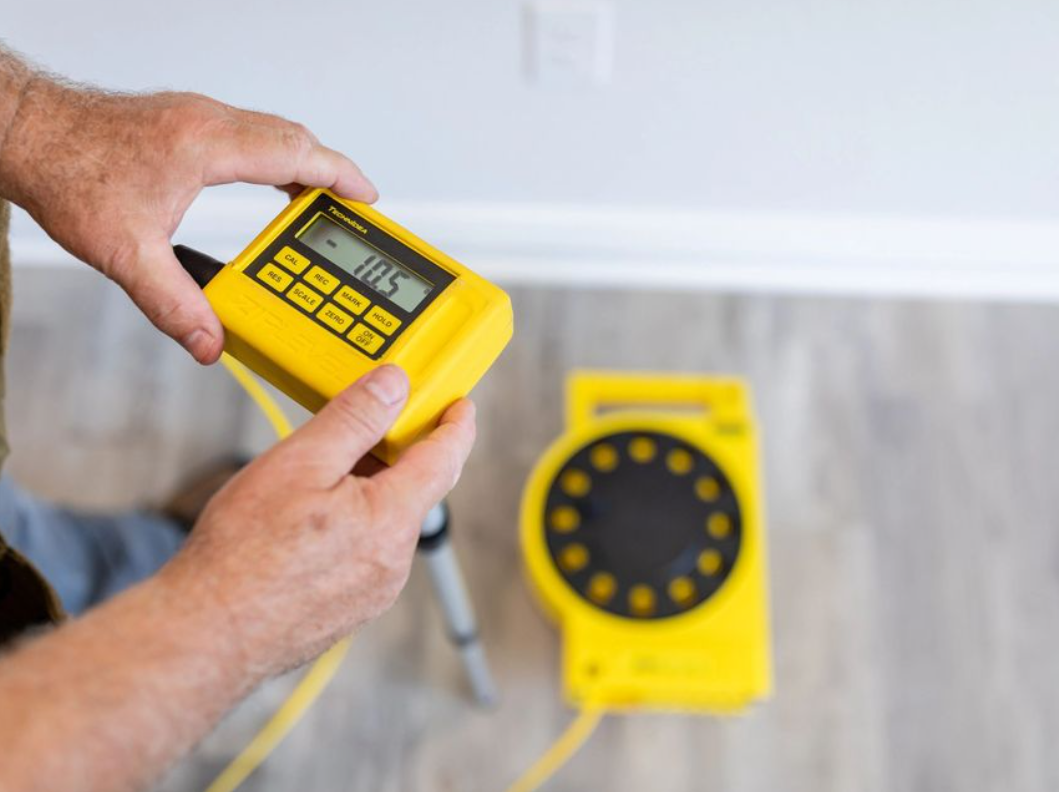
Next, I take floor elevation readings inside the house to find unevenness or settling. These readings show where the structure has moved.
-
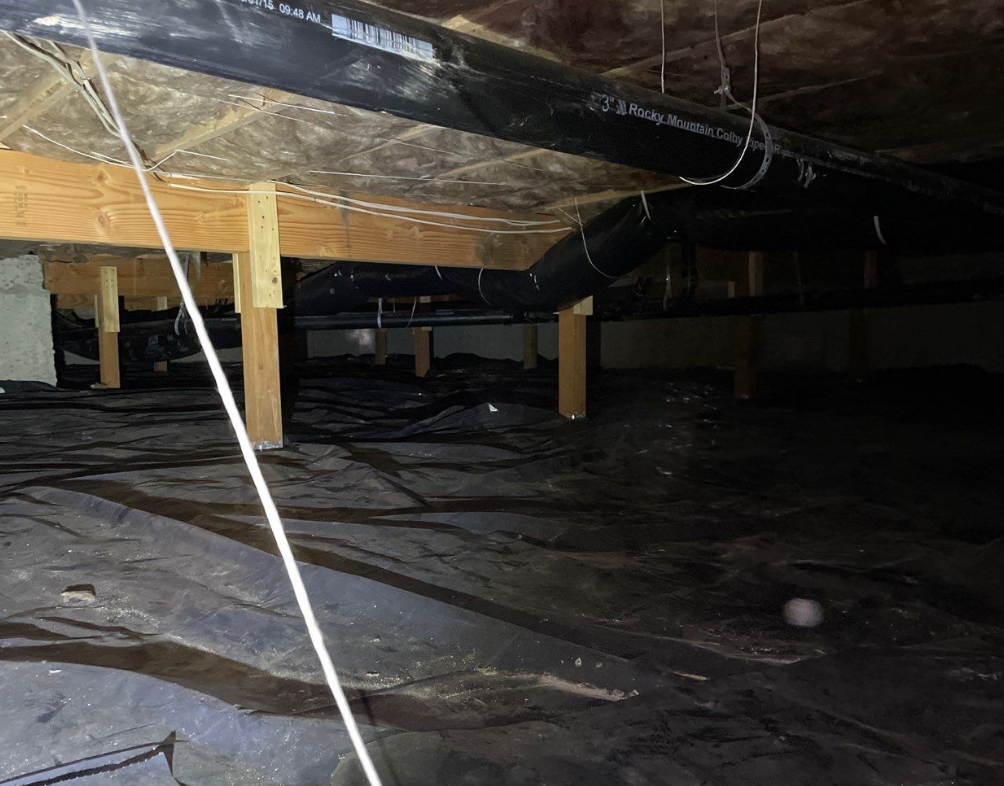
Then I inspect the crawlspace or basement for moisture, structural damage and drainage problems, areas that are often overlooked. Nothing about your foundation is left unchecked.
-
If I find issues, I’ll write a repair scope of work covering what needs to be done, along with a fair price range. I’ll walk you (and your agent, if you like) through the causes, your repair options and the likely costs.
-
My goal is to give you knowledge. I’ll explain why the issues are happening, how they can be fixed and what you can do to maintain your home. You’ll leave with a clear picture of your home’s condition and the confidence to make your own decisions, with no sales pressure, because I don’t sell or install repairs.